
This post may contain affiliate links. If you choose to make a purchase through these links, I earn a small commission at no cost to you. I do not promote anything I do not believe in or stand behind.
Valentine’s Day has a way of feeling extra—extra pink, extra sugar, and sometimes extra pressure. It’s easy to think of it as a holiday meant for couples, cards, and candy, but at its heart, Valentine’s Day is really about love. And that makes it the perfect opportunity to celebrate the little people who fill your home with laughter, chaos, and so much heart.
Making Valentine’s Day special for your children doesn’t require elaborate gifts, themed outfits, or Pinterest-worthy plans. In fact, the moments they’ll remember most are often the simplest ones: a sweet note, a shared laugh, a small tradition that says, “You are deeply loved.” With a little intention and a lot of heart, Valentine’s Day can become a meaningful family celebration—one that focuses on connection, kindness, and love that lasts far beyond February 14th.
In this post, I am going to share with you simple, meaningful and inexpensive ways you can make Valentine’s Day a special day for your children without spending tons of money, but creating long-lasting memories.
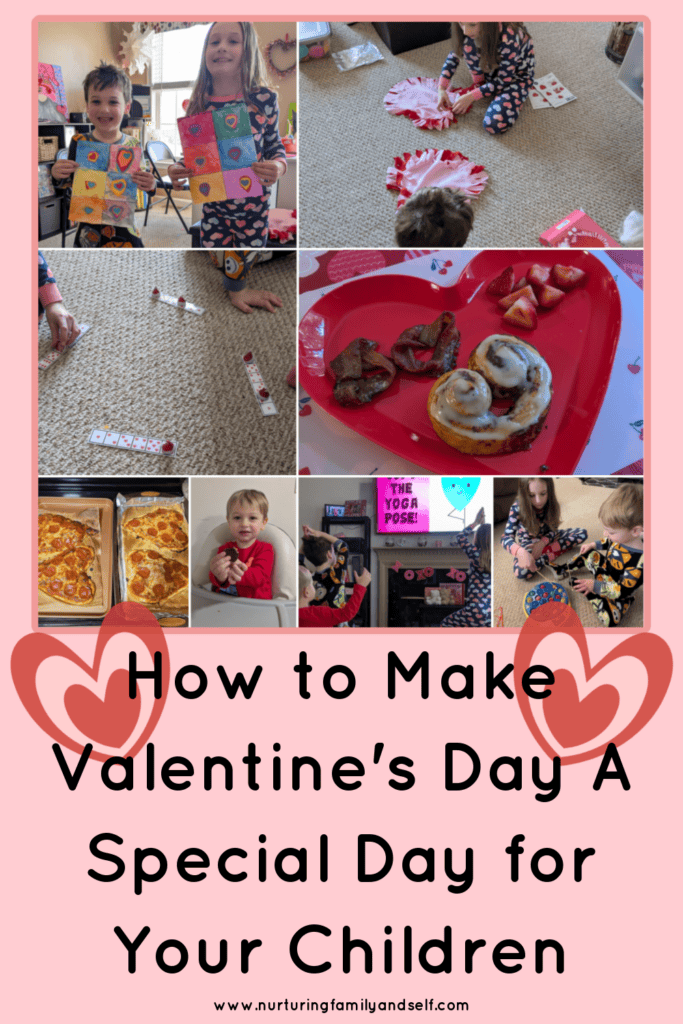
Focus on Connection, Not Stuff
Shifting our mindset from focusing on the physical gifts for Valentine’s Day to focusing on the experiences we create for and engage in with our children is much more long-lasting. Experience gifts focus on creating lasting memories through activities and spending quality time together as a family. These types of gifts offer fun, education and connection instead of clutter.
Big gestures may look impressive, but it’s the small, everyday moments that leave the deepest imprint on a child’s heart. A handwritten note tucked into a backpack, a few uninterrupted minutes of listening to them read their favorite book, or a simple tradition repeated year after year quietly communicates, “You matter to me.” These moments feel personal and safe, and they build a sense of connection that no elaborate surprise can replace.
For children, love isn’t measured by how much is spent or how grand the plan is—it’s felt in consistency, attention, and presence. Small moments happen at eye level, in familiar spaces, and in ways kids can fully take in. Over time, these simple gestures stack up, creating lasting memories and a deep understanding that love shows up not just on special days, but in the ordinary ones too. Children feel seen, known and loved, not just on Valentine’s Day, but every day.
Here are some meaningful ways to focus on connecting with your child this Valentine’s Day (and every day), even if you only have 10–20 minutes. These simple moments of undivided attention can make your child feel deeply loved and valued:
- Play a game together
- Work on a jigsaw puzzle
- Read books together—Valentine’s Day themed or well-loved favorites
- Do a craft side by side
- Color or draw with your child
- Build with Legos, Lincoln Logs, or magnet tiles
- Engage in your child’s favorite way to play
These small pockets of connection don’t require much time, but they leave a lasting impact. What matters most is being present and meeting your child where they are—something that means more than any Valentine’s Day gift.
Simple Traditions That Build Anticipation
Morning surprises such as special notes, a themed breakfast and small decorations help your children start their Valentine’s Day in a joyful way. Starting Valentine’s Day this way creates a positive emotional anchor that carries into school, activities, and interactions with others. When children begin the day feeling valued and connected at home, they’re more likely to approach the rest of the day with confidence, kindness, and a full heart.
Heart-Shaped Notes for Children
Something as simple as cutting hearts out of pink, purple, and red construction paper can feel truly magical to a child. Write one thing you love about them on each heart—a character trait, a sweet habit, or a favorite memory. Make a few hearts for each child so they’re surrounded by reminders of how deeply they’re loved.
Punch a hole in the top of each heart and tie them together with ribbon, then set the bundle at your child’s place at the table. This thoughtful display turns ordinary craft supplies into a meaningful keepsake and creates a moment your child will remember long after Valentine’s Day is over.
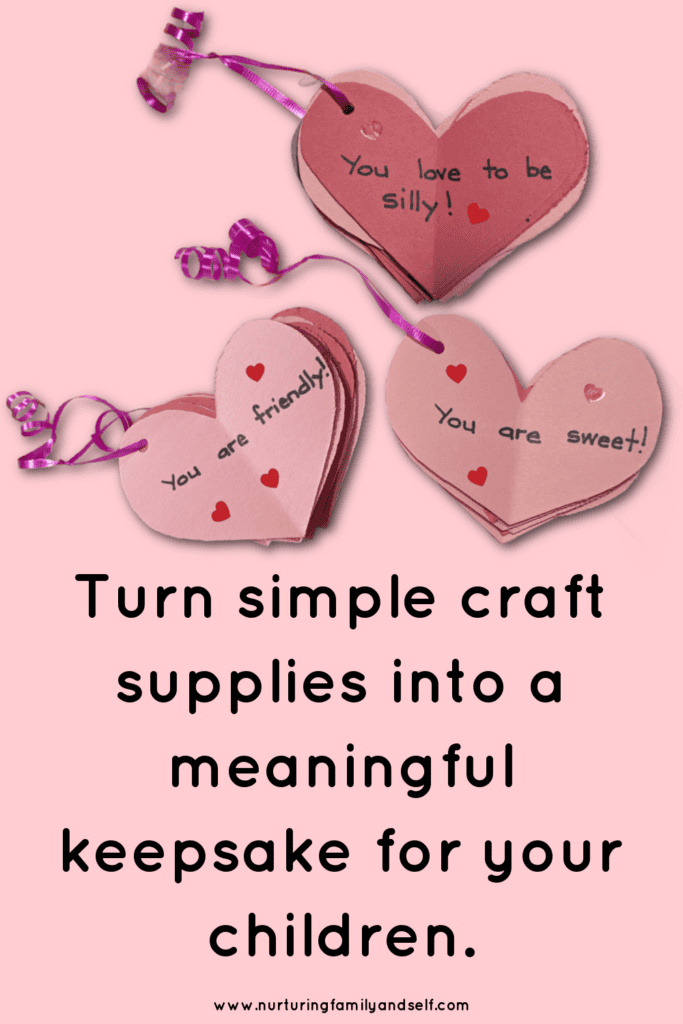
Tuck a special heart-shaped note into your child’s lunchbox as a sweet Valentine’s Day surprise. A few heartfelt words, paired with heart stickers or simple hand-drawn hearts, can turn an ordinary lunchtime into a moment of joy and reassurance. It’s a quiet reminder that even when you’re apart, your love is close by.
This small, thoughtful gesture often means more than any big gift. Finding that note in the middle of the day can bring a huge smile to your child’s face, boost their confidence, and warm their heart when they least expect it—making Valentine’s Day feel special long after the morning excitement has passed.
Heart-Shaped Meals for Children
Heart-shaped pancakes, muffins, waffles or toast for Valentine’s Day breakfast is a sweet tradition that fills their bellies. You can use a heart-shaped cookie cutter, muffin tin or waffle plate (we love our Dash Mini Waffle Maker) to create a memorable and nourishing meal to start your child’s day. My children look forward to a heart-shaped breakfast every year on Valentine’s Day.
Make Valentine’s Day about Family Time
After-school or evening rituals—like a family movie, game night, or sharing a special dessert—are simple traditions that mean so much to children. These moments give everyone something to look forward to and create space to slow down and reconnect after a busy day of work and school.
Ending Valentine’s Day together as a family reinforces the idea that being together is the celebration. Whether it’s laughter over a board game or quiet moments and snuggles during a movie, this quality time helps children feel secure, valued, and deeply loved—and that’s what they’ll remember most.
Family dates are a wonderful tradition to start with your children because they create dedicated one-on-one or family time that kids truly treasure. It is the perfect tradition for Valentine’s Day. These outings don’t need to be elaborate—what matters most is the shared experience and attention. Whether it’s going out to a restaurant, walking around the mall, enjoying ice cream, seeing a movie, going bowling, or even visiting the library, these simple dates make children feel valued and important.
Decorate the House for Valentine’s Day
Decorating the house for Valentine’s Day is another tradition your children will love. Adding a few festive touches—hearts, pops of pink and red, or simple handmade decorations—helps make the day feel special and gives kids a visual reminder that something fun and meaningful is being celebrated.

I’ve always loved decorating my home for holidays and seasons; it’s one of my favorite ways to celebrate throughout the year. About three years ago, I started leaving my Christmas tree up all year and simply changing the ornaments for each holiday or season. It’s become a fun, familiar tradition for my kids and an easy way to mark special moments like Valentine’s Day with joy and creativity.

Thoughtful, Low-Cost Ways to Celebrate
Valentine’s Day doesn’t have to involve expensive gifts to feel meaningful. Thoughtful, low-cost ways of celebrating often resonate more with children because they’re personal and intentional. Homemade cards or simple crafts give kids something tangible that was made just for them—and often become keepsakes long after the holiday has passed.
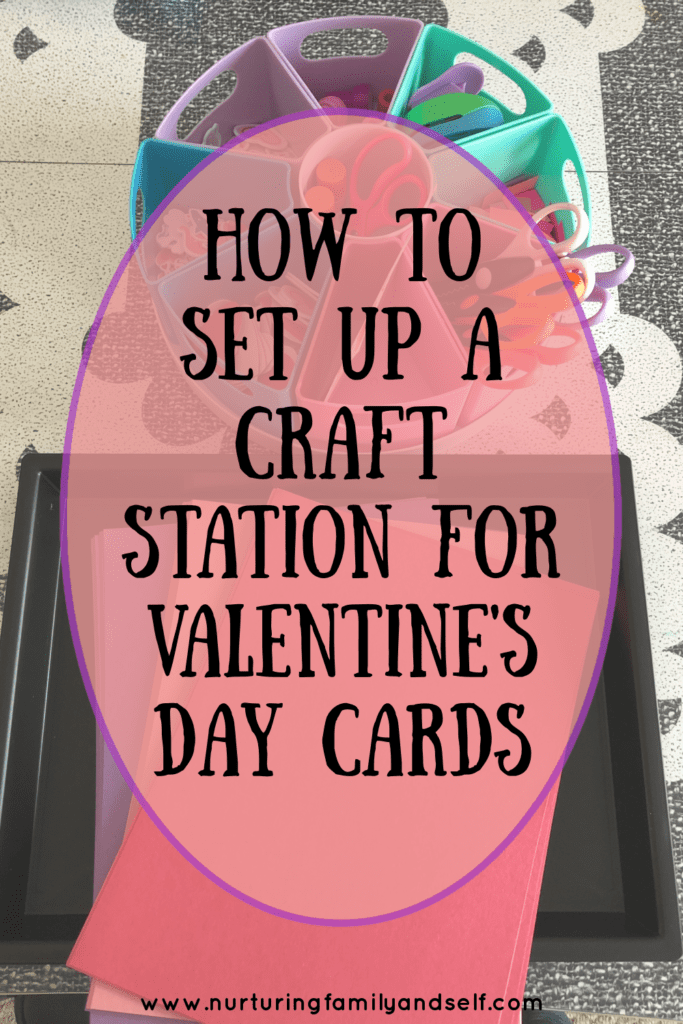
We love making cards for our friends and family on Valentine’s Day and enjoy setting up a Valentine’s Day card-making station every year. Target and the Dollar Tree sell a variety of inexpensive painting sets and craft kits for Valentine’s Day. My children enjoy picking these out each year and making them for their grandparents.
“Love coupons” are another fun and meaningful idea. These can include things like an extra bedtime story, choosing what’s for dinner, or special one-on-one time with you. You can also skip the candy overload and opt for books, puzzles, or small activities that encourage creativity and connection. These simple choices shift the focus from treats to togetherness, making Valentine’s Day both memorable and heartfelt.
Age-Appropriate Ideas for Different Stages
Valentine’s Day can look a little different depending on your child’s age, and that’s part of what makes it special. Tailoring activities to each stage helps children feel understood and engaged in ways that truly resonate with them.
For toddlers and preschoolers, keeping things simple and playful is key. Sensory activities, festive songs, and easy crafts allow little ones to explore Valentine’s Day in a way that feels fun and age-appropriate, without overwhelming them. These hands-on experiences help them engage through movement, sound, and creativity—perfect for this stage of development.
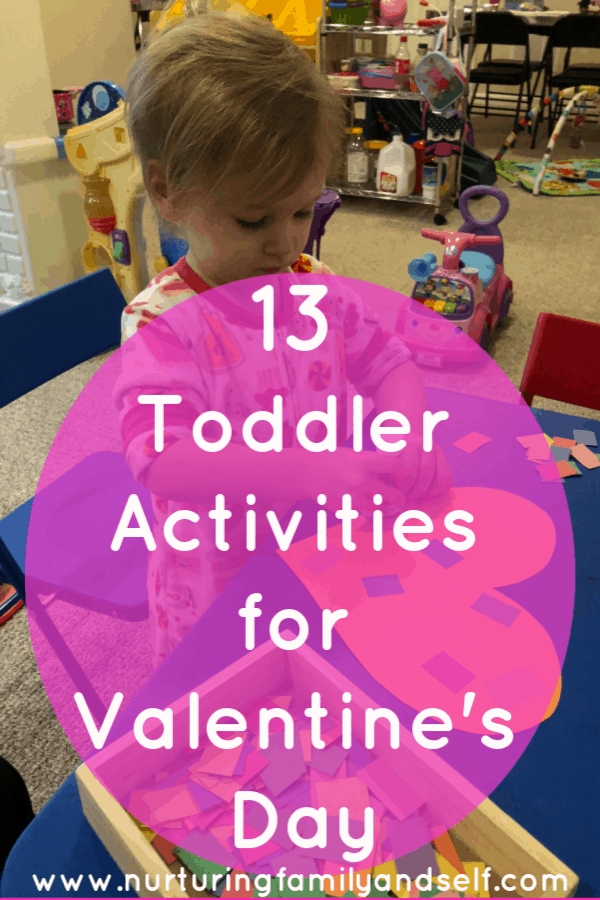
If you’re looking for more inspiration, be sure to check out my post 13 Toddler Activities for Valentine’s Day for even more ideas designed especially for toddlers and preschoolers.
Elementary-aged kids often love a bit of excitement—think Valentine-themed scavenger hunts, baking treats together, or tucking special notes into unexpected places.
For tweens, connection matters most. Intentional one-on-one time, shared inside jokes, and meaningful conversations go a long way in making them feel valued and deeply loved at this stage.
When my daughter was in kindergarten, her best friend’s mom hosted a “Friendship Day,” and it quickly became such a sweet memory. Each of her kids was able to invite a few friends, and they spent the time playing Valentine’s-themed games and doing simple activities together.
It was a fun, low-pressure way for the elementary-aged kids and tweens to spend time with friends while celebrating kindness and friendship instead of focusing on gifts or parties. Experiences like this help children see Valentine’s Day as a chance to connect, include others, and enjoy being together—lessons that stick with them long after the day is over.
Encouraging Kindness and Giving
Valentine’s Day is the perfect opportunity to teach children about sharing love with others. Simple acts of kindness—like writing notes for teachers, neighbors, or siblings—help kids see that love is something meant to be given, not just received. Baking cookies together and delivering them with a handmade card is another meaningful way to turn the day into an act of service.
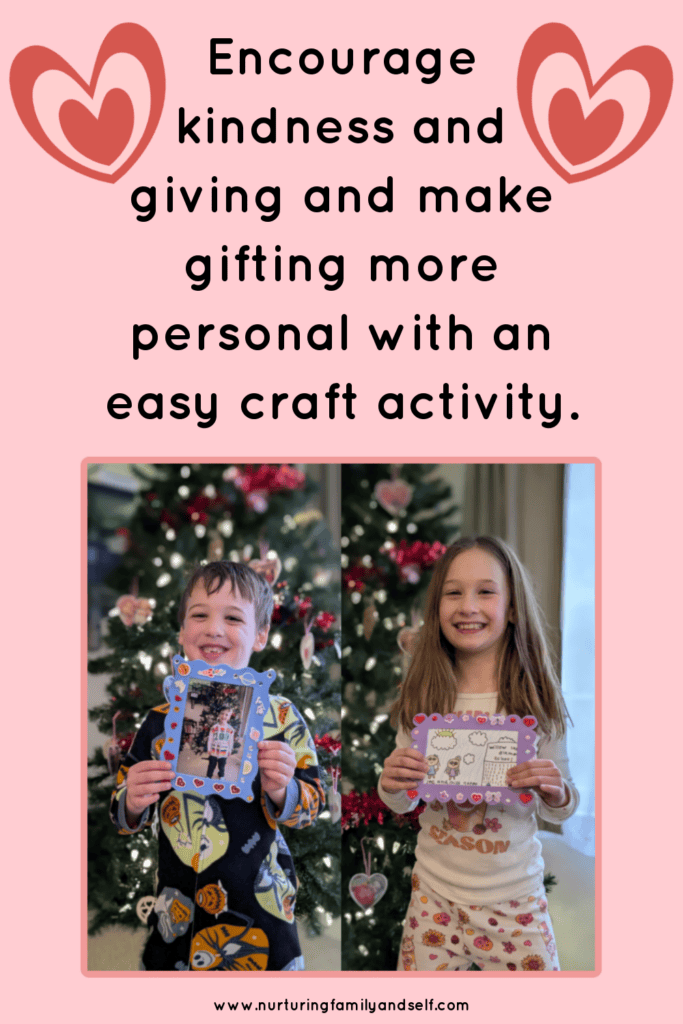
You can also make gifting more personal with an easy craft activity. A simple kit, such as a Valentine’s Day picture frame craft or a cute Valentine’s Day Color-Your-Own magnet activity, allows children to create something from the heart. Print a favorite photo of your child with the recipient, or let your child draw their own picture for a teacher, friend, or grandparent.
Another fun option is making bracelets with beads. Using alphabet beads to spell out a name or special word adds an extra layer of meaning and thoughtfulness. These handmade creations often become treasured keepsakes and help children experience the joy of giving in a hands-on, meaningful way.
At my church, the children spend time during Sunday School making cards and small crafts for church members who are homebound. It’s a simple gesture, but it brings so much joy and helps the children feel like an important part of the church community. Involving kids in choosing how to spread love makes the experience even more meaningful. Whether it’s putting together a care package for a distant family member or mailing a surprise to a friend, these thoughtful acts show children that love travels far—and that it always feels good to give.
Making It Work for Busy Families
Making Valentine’s Day special doesn’t have to feel overwhelming—especially for busy families. Planning ahead in small, manageable ways can make a big difference. Even deciding on one simple tradition or activity in advance helps the day feel intentional without adding stress.
It’s also important to choose just one or two ideas instead of trying to do it all. Children don’t need an overpacked schedule to feel loved; a few thoughtful moments are more than enough. Letting go of comparison and social media pressure allows you to focus on what truly matters—creating meaningful connections with your children in a way that fits your family, your time, and your season of life.
Creating Memories That Last
When it comes to Valentine’s Day, children are far more likely to remember how they felt than what they received. Feeling loved, included, and connected leaves a lasting impression—one that no gift or treat can replace. Those emotions become the memories they carry with them long after the day has passed.
Consistent, simple traditions repeated year after year are especially powerful. Whether it’s notes at breakfast, a family movie night, or a small act of kindness, these familiar rhythms create a sense of security and joy. Most importantly, give yourself permission to make Valentine’s Day your own. There’s no right or wrong way to celebrate—what matters most is that it reflects your family’s values, personality, and love for one another.
Conclusion
At its heart, Valentine’s Day is about love—and there’s no better place to celebrate that than within your family. It’s not about elaborate plans or perfect details, but about showing your children, in simple and meaningful ways, just how deeply they are loved.
By keeping things simple, intentional, and joyful, you create space for connection instead of stress. Whether you’re starting a new tradition or continuing one your family already loves, Valentine’s Day can become a gentle reminder of togetherness, kindness, and belonging. Sometimes the smallest traditions are the ones that leave the biggest mark—so choose what feels right for your family and celebrate love in a way that’s truly your own.